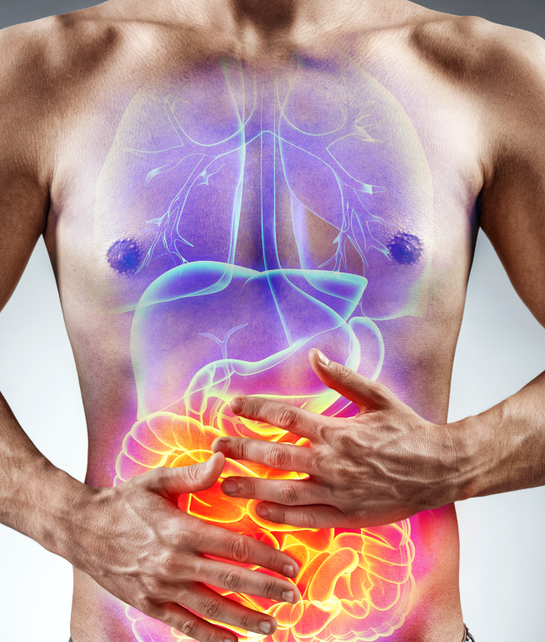
Your doctor may recommend a number of tests before,
during and after cancer
treatment. These can take the form of blood test, x-rays, CT, MRI scans or
nuclear medicine scans such as bone or PET scans or even scopes and further
examinations under anaesthetic including biopsies of suspicious areas. As a general rule tests should only be performed if the
result will change the management of the patient. Test are generally performed for the following reasons:- Your doctor may recommend a number of tests before,
during and after cancer
treatment. These can take the form of blood test, x-rays, CT, MRI scans or
nuclear medicine scans such as bone or PET scans or even scopes and further
examinations under anaesthetic including biopsies of suspicious areas. As a general rule tests should only be performed if the
result will change the management of the patient. Test are generally performed for the following reasons:-
Before treatment
- Find out if patients have cancer
- To determine the type of cancer*
- Assess the extent of disease
- Assess damage to other organs
- Assess function of organs and fitness for treatment
The histology* This is what the cancer looks like down a microscope. the pathologist is able
to tell the surgeons and oncologist a range of factors which predict prognosis
and guide future treatments. In summary they include:
- A report of the type of cancer
- Whether it has been completely removed (the margins)
- The grade of cancer (how aggressive it is)
- Other prognosis factors such as growth rate and whether it has invaded
into the vessels or spread to adjacent organs or to the local nodes (the
stage)
- For breast the ER status (whether it is sensitive to oestrogen and
therefore to hormonal drugs)
- For breast the HER status (whether is sensitive to herceptin)
- For bowel whether the tumour carries the K-ras mutation which needs to be
excluded before treatment with erbitux
During treatment
- Assess whether treatment is working
- To investigate new symptoms
- Assess function of organs and fitness to continue treatment
- To asses side effects of treatment such as loss of done
density or cardiac function
After treatment
- To assess whether cancer remains in remission
- To investigate new symptoms
|