





|
||||||||||||||
|
SELECT STUDY |
||||||||||||||
Selenium, Vitamin E, prostate cancer prevention The results of the select study are being published this week (9th December 2010). It stood for the Selenium and vitamin E cancer prevention Trial. Enrollment for the trial began in 2001 and ended in 2004. More than 400 sites in the United States, Puerto Rico, and Canada involving over 35,000 previously health men participated in the SELECT study. Men who participated in the SELECT study took two capsules a day. Participants were randomly assigned (that is, assigned by chance) to receive:
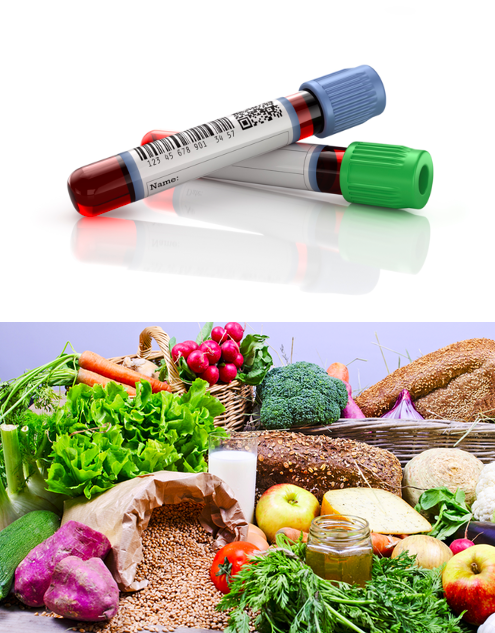
Why was selenium chosen? Our bodies need selenium, a nonmetallic trace element that we get from food - especially plant foods such as rice and wheat, seafood, meat, and Brazil nuts. Selenium is an antioxidant that may help control cell damage that can lead to cancer. The Nutritional Prevention of Cancer Trial, first reported in 1996, included 1,312 men and women who had skin cancer. Results of the trial showed that men who took selenium to prevent nonmelanoma skin cancer received no benefit from selenium in preventing skin cancer. However, approximately 60 percent fewer new cases of prostate cancer were observed among men who had taken selenium for 6½ years than among men who took the placebo. In a 2002 follow-up report, the data showed that men who took selenium for more than 7½ years had about 52 percent fewer new cases of prostate cancer than men who took the placebo. This trial is one of the reasons for studying selenium in SELECT. Why was Vit E chosen? We get vitamin E in a wide range of foods, especially vegetables, vegetable oils, nuts, and egg yolks. Vitamin E, like selenium, is an antioxidant, which may help control cell damage that can lead to cancer. In a 1998 study of 29,133 male smokers in, 32 percent fewer new cases of prostate cancer and 40 percent fewer deaths from prostate cancer were observed among men who took vitamin E to prevent lung cancer than among men who took a placebo. Some men also took beta carotene, but neither substance helped prevent lung cancer and beta carotene did not affect prostate cancer. Is there a now place for dietary supplements? These results and concerns do not necessarily insinuate there is no place at all for supplements. Instead it emphasises that caution should be taken, especially if long term consumption may take place of a “one tablet fits all” where chemicals if not excreted fast enough could accumulate in the body. There is likely to be a place for good quality supplements after cancer but further evidence from ongoing clinical trials is required. It is also likely that more individualised supplements are necessary along with close monitoring of their ongoing effects. The existing trial data already suggest that correcting a pre-existing deficit such as zinc or selenium has anti cancer benefits but overcorrecting a normal value is counterproductive. Ideally future trial design should include bespoke blood, urine, saliva or toe nail analysis to identify those individuals with sub-clinical deficiencies in trace elements and vitamins, which may lead to an increase risk or progression of cancer especially under circumstances of high carcinogen exposure. The level and type of dietary supplements for each individual are also likely to differ considerably depending on patient’s dietary history and genetic susceptibility. A start to developing an individualised supplementation system would be to simply measure blood levels of vitamins, minerals and essential fatty acid levels although these have not always reliably been found to reflect the true status of individual requirements. Sensitivity can be helped by dietary questionnaires and in-depth face to face consultations but this may not always be practical. The future, however, may well lay in more complex tests which match the blood levels of essential nutrients with specific biochemical pathways which in turn reflect the molecular makeup of each individual. This may even include an analysis of their genetic signature (the pattern of genes in their DNA). This is a long way from picking up a bottle of multivitamin from the shelf of the local drug store. The cost and inconvenience of these tests are currently prohibitive, but if genetic testing advances at the rate it is doing currently this may not be too much of a fantasy. In the mean time there are some bespoke tests which are currently accessible but are not freely available outside specialist, and expensive nutrition clinics or trial units. These include; measurements of serum metabolites that accumulate in vitamin deficiencies instead of vitamins themselves providing a longer term view rather than a snap shot at that time; or chemical blood markers that measure the baseline oxidative state (BOS) which is thought to reflect the body’s ability to fight off the free radicals correlating with the function of the primary oxidative defence enzymes, such as catalase, glutathione S-tranferase glutathione and superoxide dimutase.
|
||||||||||||||