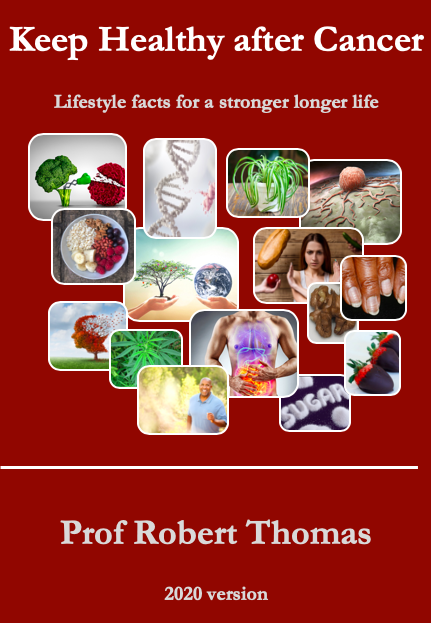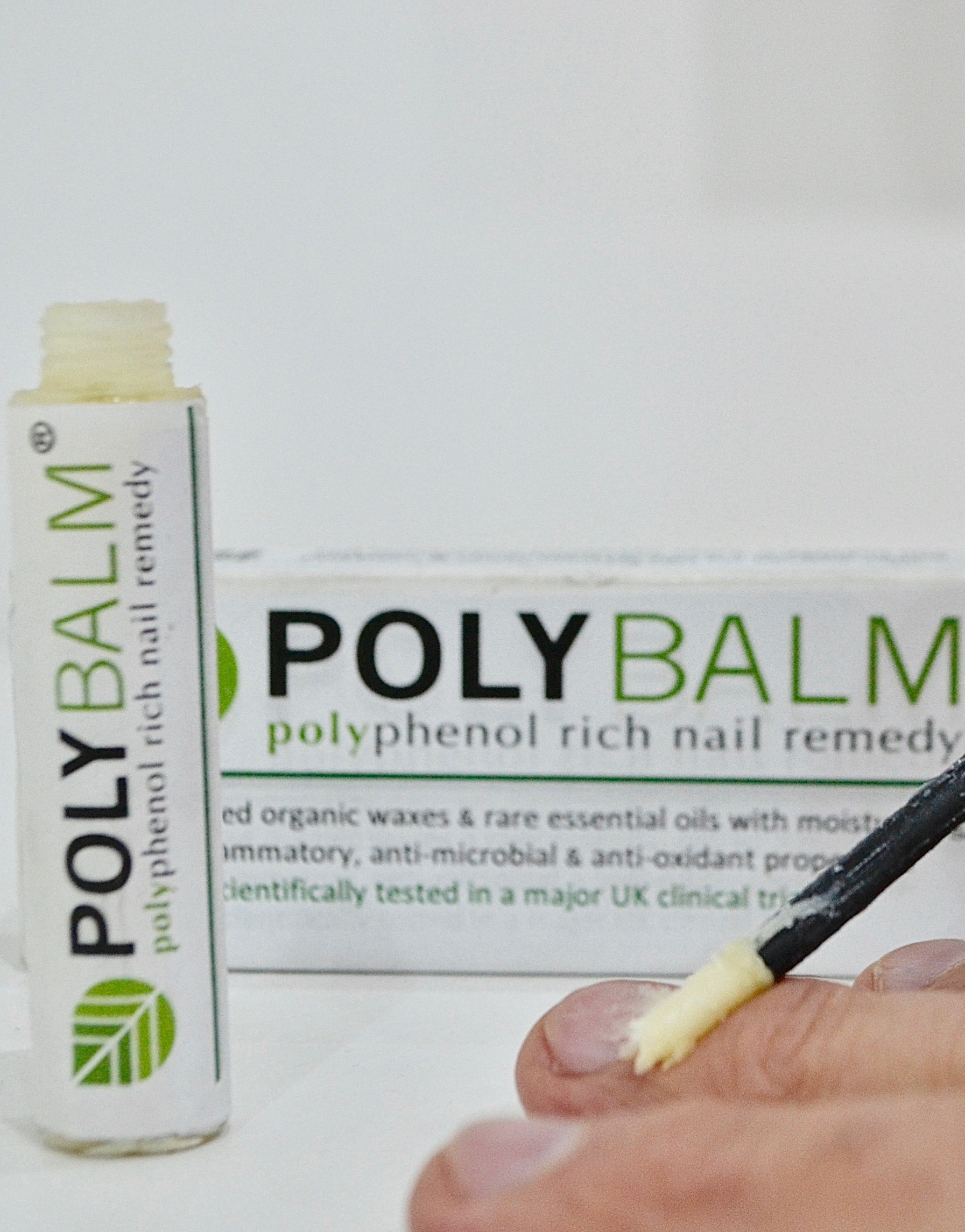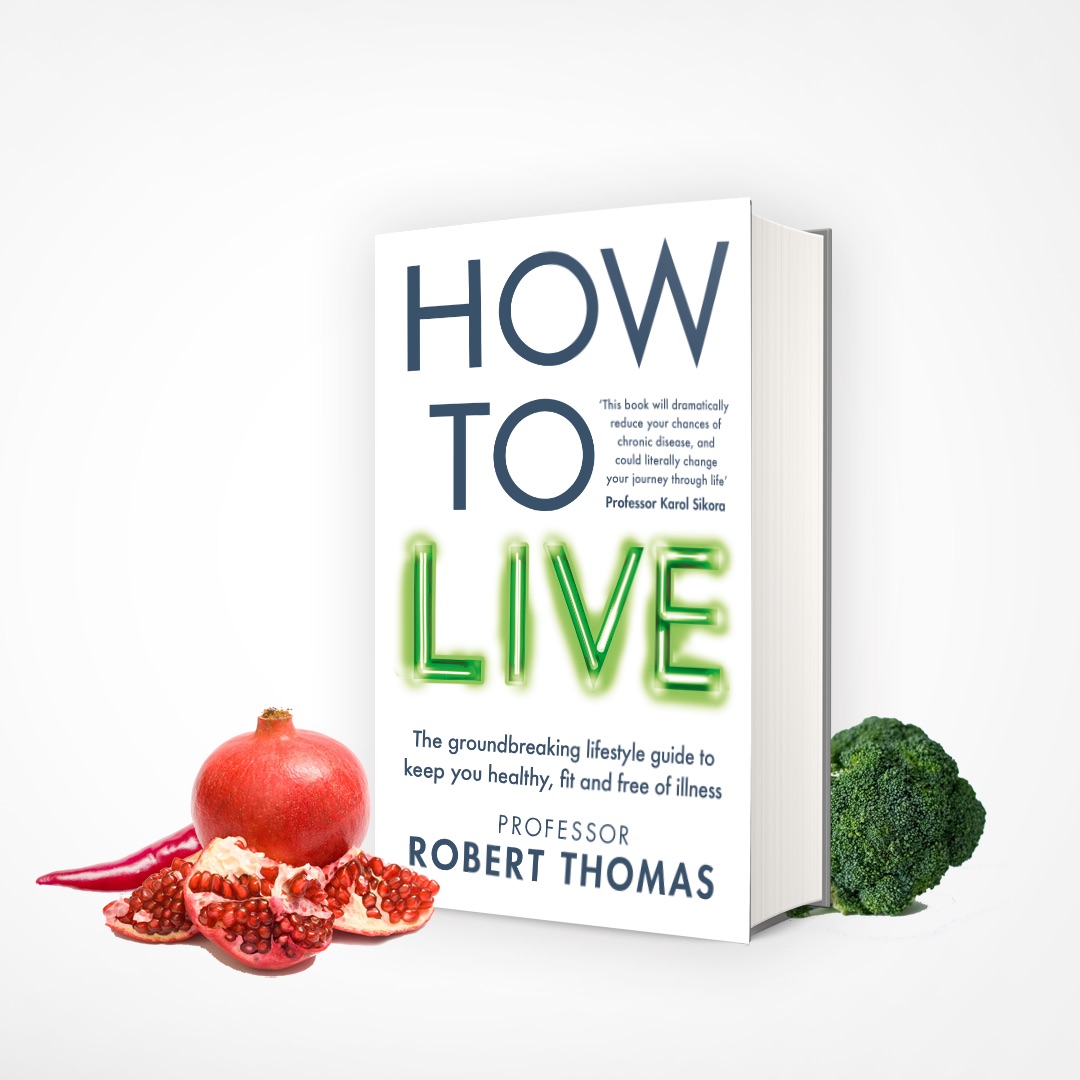
Now available: A book, based only on the facts to guide you to a lifestyle to improve the chances of living longer and better:
 Information and order
           £9.95+pp

This cancernet-UK website describes the management of cancer, its therapies, their side effects and tips how to cope with them. Patients themselves have included topics, practical tips and tools they have found helpful during their cancer journey. These pages emphasize the evidence and benefits of lifestyle after cancer to improve wellbeing and reduce the risk of relapse. site map

A comprehensive range of specific advice sheets for chemotherapy regimens - risks of side effects & how to cope with them. Treatment of breast & prostate cancer. Including  side effects of tamoxifen, arimidex, femara, zoladex, cyperoterone etc Techniques, risks & side effects for specific sites of the body - tips to alleviate side effects.
Drugs to help cancer symptoms & side effects treatment eg drugs to harden bone, for pain, sickness & indigestion. herceptin, erbitux, avastin, mabthera Description & list of complementary & alternative therapies with links to established organisations.
Up to date description of a wide range of cancers & their treatment options.</a></td>
      <td height= What is Cancer?   What to look for.  Why does it start?   How to avoid it?  Screening for early detection. Advice on the symptoms of cancer and the side effects of treatment eg sickness, fatigue, hairloss, menopause, hot flushes, pain, infertility etc
Why exercise is good before during & after treatment. Specific regimens for breast, abdominal & pelvic surgery. Diet for hot flushes, weight loss, sickness, diarrhoea, constipation, dry mouth, indigestion & procarbazine. Healthy eating & food supplements Risks of smoking, Tips to give up.  Helpful products. Plus other lifestyle issues
An up to the minute list of UK & international clinical research trials for all cancer types. sperm banking, egg storeage, vaginal dryness. fertility A prize winning 20 min film designed for patients to take home before chemotherapy or radiotherapy

 Practical issues
 Fertility
 Cancer tests
 Holiday insurance
 Travelling & cancer

 Lifestyle & cancer
 Smoking
 Bone health 
 Dietary issues
 Exercise issues

Support us Please donate
News - abiraterone
News  - cancer
News  - lifestyle
Books - self help

Admin:
About cancernet
Our sponsors 
Disclaimer
Tools:
Measure satisfaction 
Hand held file
Read or submit yours

Google

Search site | Links & support groups | Glossary | Asian issues | Prostate cancer | Breast cancer | Bowel cancer | Keeping healthy

Ask.com


Look after your family after cancer - A diagnosis of cancer can cause a big strain on relationships and family harmony. With emotions running high its not a good time to be upset further by destructive arguments. This practical little book has identified the situations where arguments are most likely to happen.  It contains simple tips that are easy to read, understand and  will help children and adults to navigate around these argument trigger zones

Cancer and lifestyle news

Lifestyle after cancer - New self help book launched August 2008. This practical guide book summarises the lifestyle evidence from across the world, and is based only on proven facts. It explains how lifestyle after a cancer diagnosis can optimise the chances of living longer and living better, both during treatments and afterwards. The author Robert Thomas is Director of the Primrose Research Unit, visiting Professor at Cranfield University and Oncologist at Addenbrooke’s Hospital Cambridge University NHS trust. He specialises in communication and lifestyle research and was awarded the UK “Hospital Doctor of the Year” and “Oncologist of the Year”. More information and how to order

Head of cancer research institute warns cell phone use causing cancer: Associated Press  
This article reports that the head of the Pittsburgh Cancer Institute urged his faculty and staff to limit cell phone use because of the possible increased risk of cancer.  The article notes that the warning was based on unpublished data and that numerous studies have not found a link between cell phone use and cancer.  Article:
Associated Press 

 Exercise cuts some health risks of smoking: Los Angeles Times (August 4)
This article discusses the benefits of smoking cessation for athletes and the effects of exercise for smokers.  The article cites a Cancer Epidemiology Biomarkers & Prevention study showing that women who were current or former smokers and had high levels of physical activity were less likely to develop lung cancer than those who were less sedentary. 
Article: Los Angeles Times 

Manufacturers to reduce amounts of suspected carcinogen in snacks:     
These articles report that after a lawsuit in California, four snack manufacturers agreed to reduce levels of a suspected carcinogen called acrylamide in potato chips and french fries over the next three years.  The articles note that acrylamide forms naturally when starchy foods are baked or fried, and that the FDA is studying the effects of the compound but has not yet taken formal action. 
Representative Article: Associated Press 

Vitamin C slows tumor growth in mice: Reuters 
This article describes a Proceedings of the National Academy of Sciences study finding that high-dose injections of vitamin C slow the growth of ovarian, pancreatic and glioblastoma tumors in mice.  Researchers say they hope to begin similar studies on human cancer patients soon. 
Article:
Reuters 

Immunotherapy boosts survival of children with high-risk sarcomas: HealthDay News 
This article reports on a Clinical Cancer Research study indicating that immunotherapy following chemotherapy may help prolong survival and boost the immune systems of children with high-risk sarcomas.  Researchers found that patients responded better to a standard flu vaccine compared to a
 new dendritic vaccine. O verall, children who received vaccinations had a 43 percent five-year overall survival compared to 31 percent for patients who did not receive the treatment. 
Article:
HealthDay News 

Cancer patients turn to complementary therapies: HealthDay News 
This article discusses a Cancer study finding that as many as 61 percent of cancer patients use alternative therapies like prayer, relaxation and massage.  Researchers note that women are more likely to engage in complementary therapies and that it remains unclear how much benefit these therapies confer to cancer patients. 
Article:
HealthDay News     

The health impact of coffee: The New York Times   
This article discusses  myths and scientific research on the health impact of coffee consumption.  The article cites multiple studies suggesting that coffee consumption does not increase the risk of developing cancer and that coffee drinkers may actually have a 50 percent decreased risk of developing liver cancer. 
Article:
The New York Times 

Granite used in kitchen countertops may emit cancer-causing gas: The New York Times
This article discusses that some granite kitchen countertops may emit dangerous levels of radon, a radioactive gas that can cause lung cancer.  The article notes that marble industry officials claim that the amount of radioactive materials found in granite countertops is not enough to pose a health risk, though researchers are conducting studies of granite widely used in kitchen counters.  Article:
The New York Times

High vitamin D levels may reduce mortality among colorectal cancer patients: Reuters (July 11, 2008)
This article describes a JCO study indicating that patients with colorectal cancer with higher plasma 25-hydroxyvitamin D3 (25(OH)D) levels prior to diagnosis have a significant reduction in overall mortality.  Researchers report that further research on vitamin D levels in colorectal cancer patients must be performed before further recommendations can be made. 
Article: Reuters; Abstract: JCO    

Vitamin D tests increase after deficiencies are linked to diseases: USA Today (July 13, 2008)
This article reports that testing for vitamin D levels, once uncommon, has skyrocketed since medical studies linked deficiencies to a variety of diseases, including cancer.  The article notes that between 2006 and 2008, vitamin D testing increased by 74 percent and that manufacturers of vitamin D diagnostic tests have seen similar increases in demand. 
Article: USA Today   

Active lifestyle may help prevent cancer: Reuters   
This article describes an American Journal of Epidemiology study that found individuals who are physically active, including those who exercise and are active in daily routines, are less likely to develop cancer than sedentary people.  Researchers note that the most active groups of men and women surveyed had a 13 percent and 16 percent lower risk of developing cancer, respectively, compared to the least active groups. 
Article: Reuters

Plant may protect cancer patients' skin during radiation therapy: Research indicating that ointment containing Calendula plant extracts may reduce dermatitis in cancer patients who apply the ointment before radiation therapy.  Researchers found that 41 percent of patients using the ointment suffered moderate-to-severe dermatitis, compared with 63 percent of those using trolamine, a standard cream used in Europe to prevent dermatitis.

Vegetables may alter cancer genes: Reuters
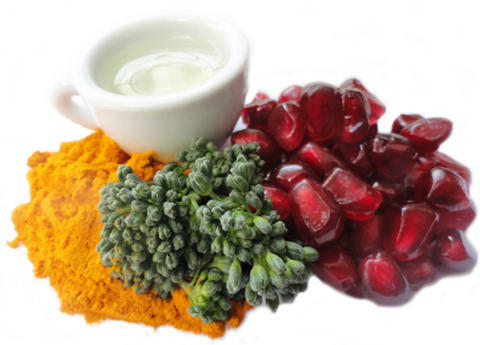
This article reports on research published in the journal PLoS One finding that men with pre-cancerous prostate lesions who eat extra servings of broccoli each week for a year have hundreds of positive genetic changes, including alterations that activate genes known to fight cancer and switch off genes known to contribute to tumors.  The article notes that researchers did not track men long enough to see who developed cancer, but that men with a gene called GSTM1 had the most genetic changes.  Article: Reuters

Smokeless tobacco increases risk of oral cancer: Reuters
This article discusses a study published in the journal Lancet Oncology showing that the use of chewing tobacco and snuff increases the risk of oral cancer by 80 percent and esophageal and pancreatic cancer by 60 percent.  The article notes that the use of smokeless tobacco products varies widely depending on sex, age, ethnic origin and economic background, and is highest in the United States, Sweden and India. 
Article: Reuters