





|
||||||||||||||
|
Donate to cancernet.co.uk and our research program |
||||||||||||||
Why is money needed Cancernet.co.uk is
supported entirely by sponsors, donations and a small income from Google
ads. It needs approximately £4000 a year to run and then provides a completely
free information service to the 20,000 people who visit it each week.
via pay pal. Alternatively contact Madeleine Williams, Research Manager. The Primrose Research Unit, Bedford Hospital. Bedford. MK42 8DJ.
What’s going on in the
Primrose Oncology Research Unit? Strong academic links have been established with For example, working with John Glen, a senior economist at Cranfield, the
research team has determined the cost of treating patients with relapsed breast
cancer, and developed novel ways to calculate whether new and often more
expensive therapies, are cost effective or not. The data collected during this
study has been used to develop the In another study, in collaboration with Charles Marshall from Cranfield
and Professor Leslie Walker, Other key areas of research at the Primrose unit include the ongoing
patient’s information programme and more recently a number of lifestyle and
cancer projects. One study, recently completed, evaluated whether lifestyle,
plus a compound containing an aspirin-like drug, influenced the progression of
prostate cancer was adopted by the National trials portfolio. The studies on
lifestyle and information prompted the development of a number of information
videos now distributed nationally by Cancerbackup and a website, www.cancernet.co.uk, which has proved useful to both health
professionals and patients. Alongside information on drugs and therapies, the
website also offers advice on exercise, diet and self-help advice which our
patients have reported to find helpful. The site has now been translated into
Spanish and forms the basis of the Mexican National cancer information website. The research unit has published eight papers in the last 2 years alone on
the background of numerous abstracts and presentations and these efforts were
recognised with Professor Thomas award of the British Oncology Association
“Oncologist of the Year” 2006/7. The unit had already one innovation team of
the year and the Hospital Doctor magazine Doctor of the year 2000. In 2008 the main focus of research will be the evaluation of a lifestyle
toolbox to help patients recover after the ups and downs of their cancer
treatments. This has been made possible by the considerable efforts of Mr Brain
Woodrow, the Panacea Society and other organisations and individuals who have
generously donated their hard earned cash - We would like to take this
opportunity to thank all the people who have made research possible in the
Primrose Unit through financial donations, not only for the Primrose building
but the ongoing research costs. Further general information Your doctors and specialist nurses are in an ideal position to give you relevant information on your disease and treatment as they know your individual circumstances. Cancerbackup has a help line (0808 800 1234) and a prize winning video available in English, Italian, Urdu, Bengali, Gujarati & Hindi explaining Radiotherapy & Chemotherapy. Cancernet.co.uk has over 500 pages describing cancer, its management, practical tips and tool which patients, their carers and their doctors have found helpful during the cancer journey. |
||||||||||||||


 Supporting
local cancer research - The vast majority of patients in Britain are seen in smaller
cancer units. The vast majority of these patients are not entered into any sort of
clinical trial. It is only through well-conducted clinical trials that our knowledge of
the best treatment approach will be acquired. The
Supporting
local cancer research - The vast majority of patients in Britain are seen in smaller
cancer units. The vast majority of these patients are not entered into any sort of
clinical trial. It is only through well-conducted clinical trials that our knowledge of
the best treatment approach will be acquired. The 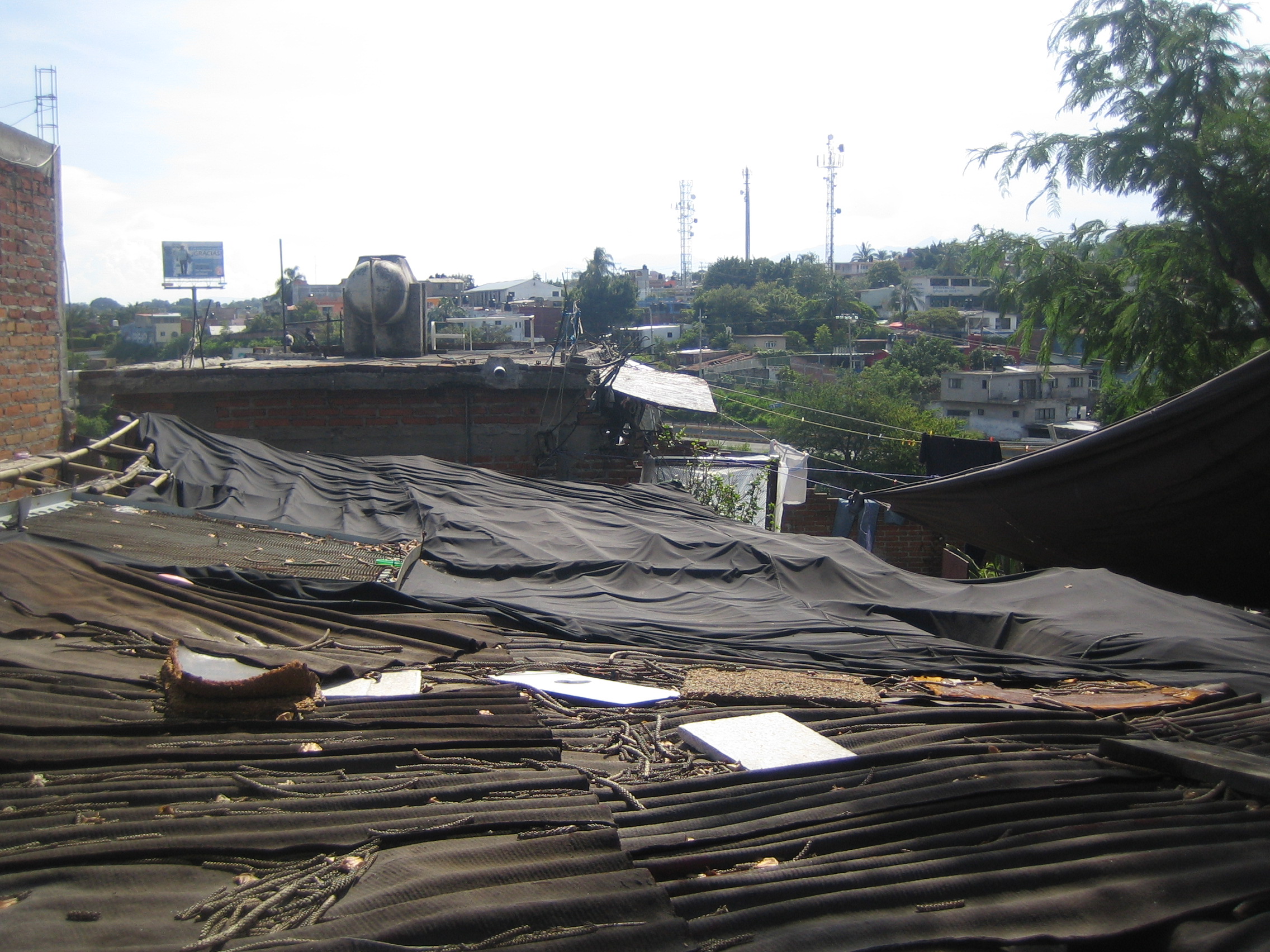 Mexican
shanty towns - Following a link made
between Bedford and the largest community cancer Hospital in Mexico Cancernet
has also been translated into Spanish to enable poorer Mexicans to receive
leaflets about their cancer treatments free of charge. They will also be sending
students from Mexico to gain experience on patients information.
Mexican
shanty towns - Following a link made
between Bedford and the largest community cancer Hospital in Mexico Cancernet
has also been translated into Spanish to enable poorer Mexicans to receive
leaflets about their cancer treatments free of charge. They will also be sending
students from Mexico to gain experience on patients information.