





|
||||||||||||||
|
Capecitabine (Xeloda) |
||||||||||||||
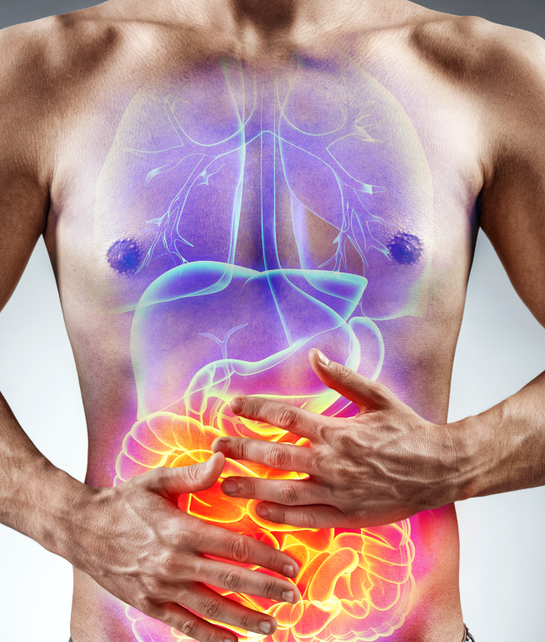
You will have a blood test before starting chemotherapy, every three weeks before starting the next cycle of tablets and at other times if you feel unwell. If your blood count is low the chemotherapy may be delayed or the dose reduced. The tablet dose depends on your height and weight, which will be measured before the start of treatment. We have outlined the side-effects you may experience during treatment. It is important that you feel free to ask questions so that you understand what to expect and what to do. Most side effects of Capecitabine stop when you finish taking the drug. Although, capecitabine is generally well tolerated, occasionally, patients can get a severe and sudden reaction, due to a deficiency in an enzyme called DPD (2-4% of the population), comprising of marked diarrhoea, dehydration and mouth ulcers - if this happens STOP THE TABLETS IMMEDIATELY and contact the oncology unit. Sometimes people can also have rare side-effects which are not expected or mentioned on this sheet. If in doubt ask. Side effectsDiarrhoea; This chemotherapy often cause diarrhoea, which in most cases can be easily controlled with medication (loperamide or codeine). It is important to drink plenty of fluids and avoid foods which add to the diarrhoea. If you develop diarrhoea you should inform your medical team. STOP the capecitabine immediately if it becomes moderate or severe or the medications do not control it and contact the medical team. Prolonged diarrhoea can lead to dehydration, loss of the body's salt and be dangerous so should be taken seriously especially if associated with a stomach bug. Angina: Very rarely capecitabine can cause spasm of the arteries around the heart causing angina - a crushing like pain in the chest possibly radiating down the arms or into the neck - if this happens stop the capecitabine immediately and contact the hospital. Nausea & sickness; This treatment does not normally cause sickness, but you will be given anti-sickness tablets to take home if required. In case you do experience some nausea you can find some self help tips in our lifestyle section. If your blood counts falls you may experience the following:
Other advice regarding paracetamol; As mentioned above, if you have a temperature and feel unwell you may have an infection and may need treatment in hospital, we advise not to take paracetamol in this situation as it may mask your temperature, give false reassurance and delay you presenting to hospital for treatment. Taking paracetamol can otherwise be used with discretion. If for example you have a headache or a mild pain but otherwise feel well and your temperature is normal paracetamol can be used provided you check your temperature before each dose and allow a full six hours before each administration. Contact to chicken pox; If you can't remember whether you've had Chicken Pox as a child and you come in contact with a person who has it or shingles you should contact your oncology team. They will arrange a blood test to find out if you are immune to chicken pox (the varcella virus). If not a series of injections can be administered to offer you temporary immunity. Fatigue; All chemotherapy can cause fatigue. As your treatment progresses you will experience this. You may find that gentle exercise such as a short walk each day (if you are not working) may help. Fatigue and malaise may last up to 2-3 months (or longer) after the end of chemotherapy. Weight gain; Over the entire course of chemotherapy many patients complain of weight gain. This is caused by a combination of the steroids increasing the appetite, the fatigue causing lack of mobility and the mild nausea often encouraging to nibble rather than eating correct meals - In order to prevent this we recommend regular light exercise and be aware of your calorie intake. Weight loss may also be experienced by some patients during their course of chemotherapy particularly if there is more advances disease or other medical problems, in these cases dietary advice should be sought. Sore
mouth; You may have a sore
mouth after chemotherapy and it is important that you maintain good
oral hygiene. A soft, baby toothbrush may help and you may be given a mouthwash.
If you develop mouth ulcers
you should contact your clinic and they can prescribe special mouthwashes to
help. Hair loss; This treatment does not usually cause significant hair loss., but there may be some thinning noticed by some people. You may also experience thinning and loss of eyelashes, eyebrows and other body hair. This is temporary and your hair will regrow after treatment, although it may at first be a different texture, very like a baby's hair. Some departments use a cold cap system to minimise hair loss. Your clinic nurse can arrange for you to have a wig before your treatment starts (NHS prescription charge, prices are approximately £55 for an acrylic wig, £140 for half real hair wig and £205 for a full real hair wig). Fertility may be affected by chemotherapy, in both men and women. It is important to discuss fertility with your doctor before starting treatment. For pre-menopausal women, chemotherapy may affect your periods. They may become heavier, lighter or may stop. In some women this may be permanent causing menopausal symptoms. You should not become pregnant during chemotherapy, as chemotherapy will damage a growing baby. You should still take contraceptive precautions even if your periods have stopped, as you could still become pregnant. Men must also use a barrier contraceptive whilst receiving chemotherapy as sperm is damaged by chemotherapy. Altered taste; You may
also experience an alteration in your taste.
Food may taste slightly more salty, bitter or metallic. Normal taste will return
once you treatment has finished, but may take several months to do so. The
palms of your hands or the soles
of your feet may become red, swollen
and sore. If severe, the skin will become flaky and your nails may become
brittle and damaged. This is called
Palmer-Planter Syndrome or Hand Foot Syndrome. You may be given additional
medication by the doctor and/or rested from the Capecitabine for a while to
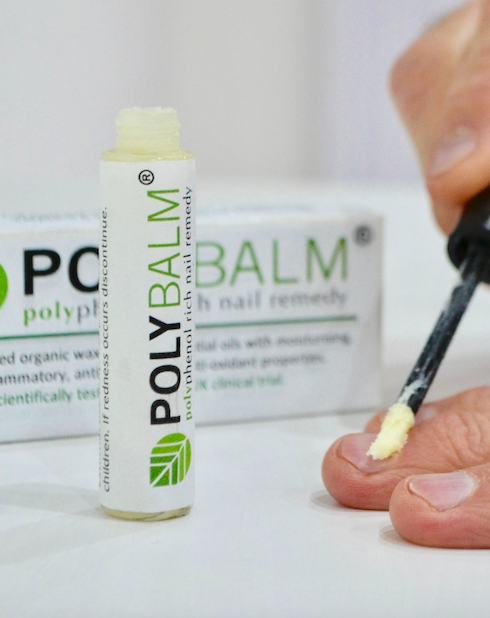
allow your skin to recover. You may find that your eyes become more sensitive to light and that they start ‘watering’. If this occurs your doctor may prescribe you some eye drops. Increase risk of blood clots - during chemotherapy there is an increased risk of blood clots, most commonly in the legs (deep vein thrombosis) or more seriously to the lungs (pulmonary embolus). If you get unexplained swelling and discomfort in the calf report this to the oncology unit. Likewise if you start experiencing unexplained breathlessness, cough up any blood or have a pain in the chest particularly when you breath contact the clinic as soon as possible. To avoid clots it is important to stay as active as possible and (exercise & chemotherapy) taking light walks two to three times a day and avoid sitting around for long periods of time. If you are required to sit (for example while receiving the chemotherapy drugs) try to move your legs and ankles regularly. Occasionally, if your doctor feels you are at high risk of developing clots you may be started on drugs to thin your blood during chemotherapy. Sore eyes; The front of the eyes (cornea) can occasionally feel dry and sticky, especially first thing in the morning. This usually comes on later in the course and can cause some redness and discomfort. Eye drops such artificial tears can be bought over the counter or prescribed by your medical team. Nails; The grow of the nails can be impaired by chemotherapy. The amount of damage can vary but in most cases there will be some slight discolouration and indentation seen in ridges across the nail beds - a bit like the rings of a tree, each representing an individual chemotherapy cycle. Occasionally the damage can be more troublesome, causing pain and breakdown of the nail bed causing it to lift and separate, possibly even leading to a total loss of the nail. Eventually after chemotherapy has finished the nail will grow back normally. |
||||||||||||||


 Your doctor has explained that you have either breast or bowel cancer and has recommended
treatment with chemotherapy called Capecitabine. The main advantage of this drug
is that it is given as oral tablets. You will be required to take them twice a day
for 14 days, followed by seven days break, and the cycle is repeated every 21
days. It can be given on its own or in combination with other intravenous
drugs.
Your doctor has explained that you have either breast or bowel cancer and has recommended
treatment with chemotherapy called Capecitabine. The main advantage of this drug
is that it is given as oral tablets. You will be required to take them twice a day
for 14 days, followed by seven days break, and the cycle is repeated every 21
days. It can be given on its own or in combination with other intravenous
drugs.