




|
Bowel Cancer |
|
|
Causes, symptoms, treatments and lifestyle options |
|
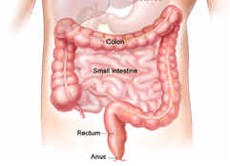
Bowel cancer forms in the tissues of the colon (the longest part of the large intestine) or rectum (the last several inches of the large intestine before the anus). It is commonly otherwise referred to as colorectal or colon cancer.
|
|
|||||||||||
|
|||||||||||
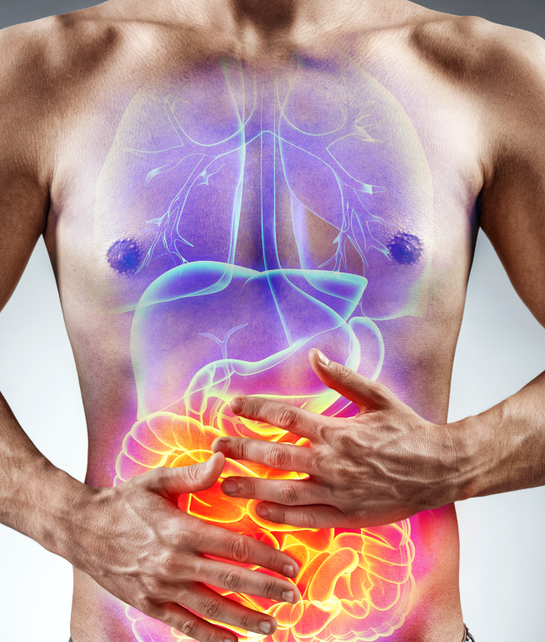
Presenting symptoms: Blood in stools is the most commonly experienced colon cancer symptom, other symptoms may include abdominal pain and/or discomfort, pain in the back passage, unexplained weight loss, diarrhoea or constipation for no obvious reason (find out more).
![]()
UK incidence: At present, colorectal cancer is the second most common
cancer in women after breast cancer whereas in men it comes as the third most
common form of malignancy after prostate and lung cancer. Overall, the lifetime risk for
men of being diagnosed with colorectal cancer is estimated to be one in eighteen
and for women to be one in twenty. Every year, over 35,000 people are diagnosed
with colorectal cancer in the UK of which about two-thirds accounts for colon
and one-third for rectal cancer.-
read more
Types: Colorectal cancer comes in many forms. Most colorectal cancer are adenocarcinomas (cancer that originates in the glandular tissue). Type can be refer to the grade (how aggressive the cells look) or completely different type of cancer including the rare lymphoma, sarcoma, melanoma and neuroendocrine tumours (find out more).
Risk factors: In most cases there are no predisposing risk factors but there is some evidence of associations with poor diet, smoking, excessive alcohol intake, family history of colorectal cancer, lack of exercise, high cholesterol, obesity (find out more).
Tests to determine a diagnosis and help decide on treatment options: rectal
examination, Barium enema, proctoscopy, sigmoidoscopy, colonoscopy
(find out
more).
![]()
What determines treatment options & prognosis:
Treatment options: Treatment may be classed as radical - aiming to cure or palliative - aiming to control symptoms. Options, often in combination include:
|
Helpful resources and links |
Cancernet-UK:
What
is cancer; About
specific cancers;
Breast |
Prostate |
Bowel. About
cancer
treatments; Chemotherapy
|
Radiotherapy |
Hormones | Biological
agents | Complementary.
Lifestyle
advice;
Exercise | Diet |
Smoking | Sunbathing
| Alcohol. Cope
with symptoms; Traveling
| Insurance | Tests
for cancer | Clinical trials. ...site
map |
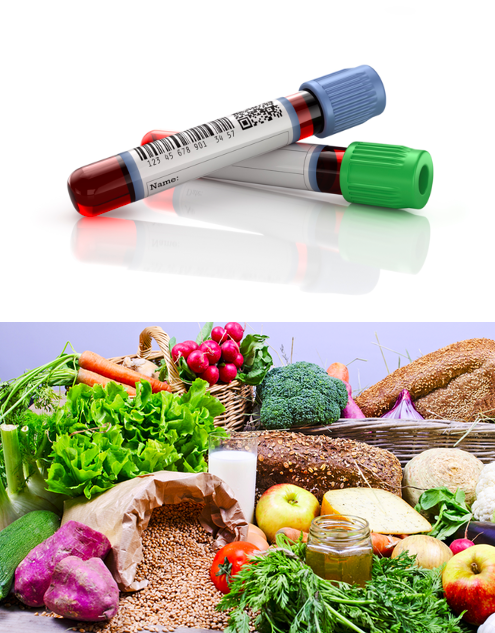
Micro-nutrient
testing Empower yourself to make dietary
choices specific to your personal make up. This Cancer Risk Nutritional
Profile, analyses your blood profile and recommends specific dietary and
supplement advice to ensure you have the best possible nutritional
status to fight cancer an aid recovery from treatments....read
more |
Download
a free chapter describing how to avoid cancer forming chemicals
(Carcinogens) in our
diet and environments from the new edition of the best selling evidence
based book "Lifestyle
after Cancer - the facts"
|
Make
a will (or living will)
Cancernet has teamed up with a leading UK lawyer to drive down the cost
of making a solicitor checked will. This reliable, easy to
use, online resource ensures your assets (money, property, jewellery,
etc) go to the person you want and not those you least want. Cancernet-glossLegal wills start from £39....read
more |
Protect
your lips during chemotherapy There is
evidence that natural oil based creams are better than petroleum based
creams. natureMedical lip balm has been specifically design to
soothe and moisturise the lips during and after chemotherapy or after
sun exposure. It only contains only natural waxes and essential oils
selected for their anti-inflammatory and DNA stabilizing properties...read
more/order |
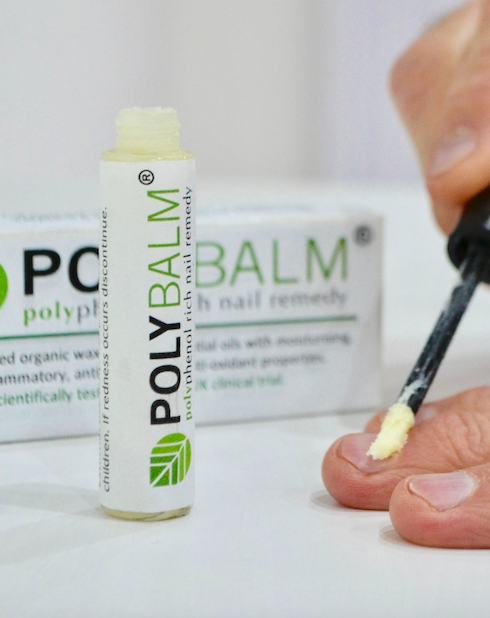
Protect
your nails during chemotherapy. Nails can
become painful and disfigured during and after chemotherapy. We describe
the latest nail care guidelines and number of useful tips to keep
them healthy, including cooling and moisturizing ...read
more |
![]() Lifestyle
and cancer - the facts.
This 2011, edition with a foreword
from Paula Radcliffe has been extensively re-written with
evidence from the latest research from around the world which
demonstrates how diet, exercise and lifestyle changes can; help avoid
cancer (read
chapter 9 free), cope with treatments side
effects; slow the rate of progression of cancer and help prevent
relapse. This comprehensive essential
lifestyle guidebook can be ordered
online (£8.95), or downloaded via
kindle |
Prepared
for cancer treatments. Patients and
professionals, teamed up with Sue Lawley to produce this 21 minute
film which explains chemotherapy & radiotherapy while you watch
patients, describing their experiences, side effects and methods to
alleviate them. Awarded the NHS communication prize ... read
more / order individually or in bulk for your oncology department |
Keep-healthy.com
Practical evidence based advice on healthy living including ways to
naturally reduce cholesterol, reduce blood pressure, keep healthy
eyesight, hearing, maintain a healthy
weight and level of fitness. Includes advice on supplements and other
useful products...link |
Support
groups and self help organisations
throughout the UK and internationally. Links to Asian
support organisations; Read patient
stories, poems and links to the Cancer
active website addressing a wide range of complementary
issues related to cancer and their a quarterly magazine (ICON).. submit
a link to your group |