





|
||||||||||||||||||||||||||||||||||||||||||||||||||||||||||||||||||||||||||||||||||||
|
Bone health guidelines |
|
|||||||||||||||||||||||||||||||||||||||||||||||||||||||||||||||||||||||||||||||||||
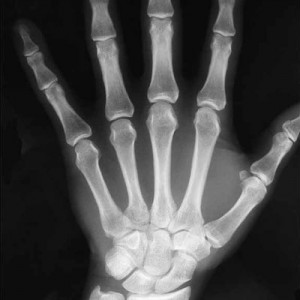
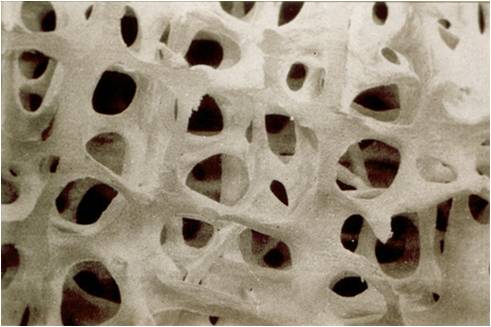
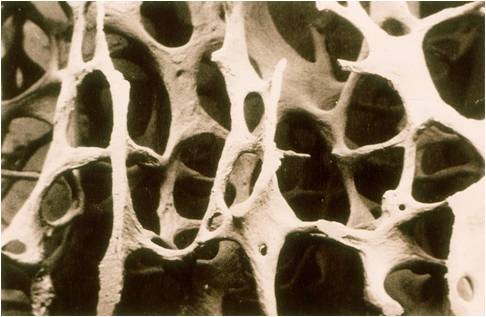
Many treatments for cancer can effect the amount of protein and calcium in the bone (the bone density). This may range from a mild reduction in the calcium density, measured on a bone density scan, to a moderate reduction called osteopenia through to a significant bone mineralisation loss with its associated risks of collapsed vertebrae and fractures. These include
It is often appropriate to monitor the bone density with a scan (dexa scan) and in some cases receive treatment with supplements or bone hardening drugs . Certainly it is advisable to
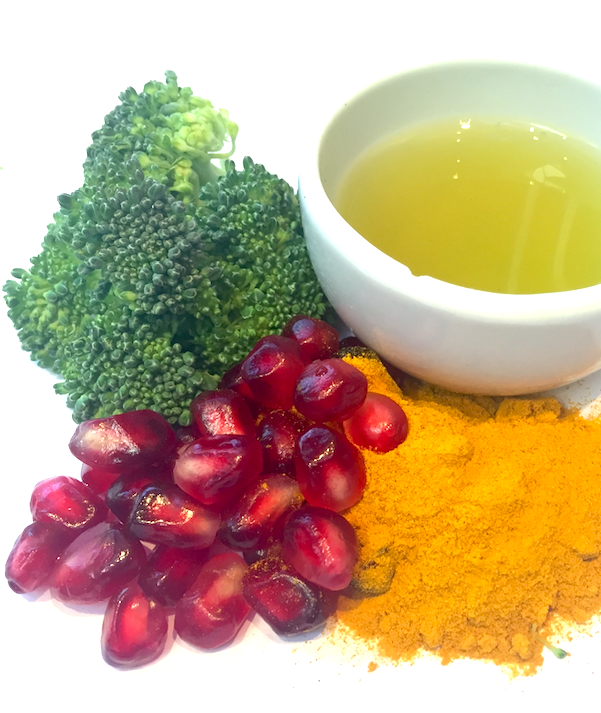
The bone is not a solid lump of calcium but a dynamic organ constantly re-moulding itself. As a result bone is strongly influenced by environmental and lifestyle factors and of these exercise is the most prominent. Put a man in space, for example and within 6 weeks he has osteopenia as there is no weight baring stimulus to the bone. In a less dramatic but similar way developing a sedentary lifestyle will result in bone thinning. Fortunately weight baring exercises will do the opposite. It sends signals to the cells in the bone to lay down more calcium and especially combined with adequate calcium and vitamin D intake will prevent bone loss or increase it. Exercise, therefore is defence against bone loss and the exercise section describes ways to increase weight baring exercises in a fun controlled and regular way. Dietary calcium is also important and it is not just found in dairy products such as milk, yogurt and cheese but in a wide range of less fatty foods such as sardines, broccoli, almonds and salmon. Vitamin D serves several important functions in relation to calcium metabolism and is vital for the development of healthy bones. It helps to increase calcium absorption from the gastrointestinal system and kidney and thereby make it available to body tissues and the blood. It also functions to aide with the deposition of calcium to bone. The body’s main source of vitamin D arises from the manufacture of this vitamin in the skin on exposure to sunlight. Research has found many people are deficient in vitamin D due to more time being spent indoors. Only 10 – 15 minutes of exposure to outdoor sun is necessary for the production of vitamin D (see sense in the sun). Dietary sources of vitamin D are limited but sources arise often from foods fortified (boosted) with vitamin D such as milk, soya drinks and cereals. It is also found naturally in liver, fish (tuna, salmon, sardines, herring and mackerel) and egg yolk.
There are a number of situations where bone
density may be at risk of impairment. These include post menopausal women who are
taking an Aromatase Inhibitor (anastrazole,
letrozole, exemestane);
Postmenopausal women who have received
chemotherapy and are not on tamoxifen In these situations there is a slightly increased incidence of bone loss which may lead to an increased risk of fractures. It is advisable to exercise regularly and this has strongly been linked to improved bone density - particularly if it is weight bearing.
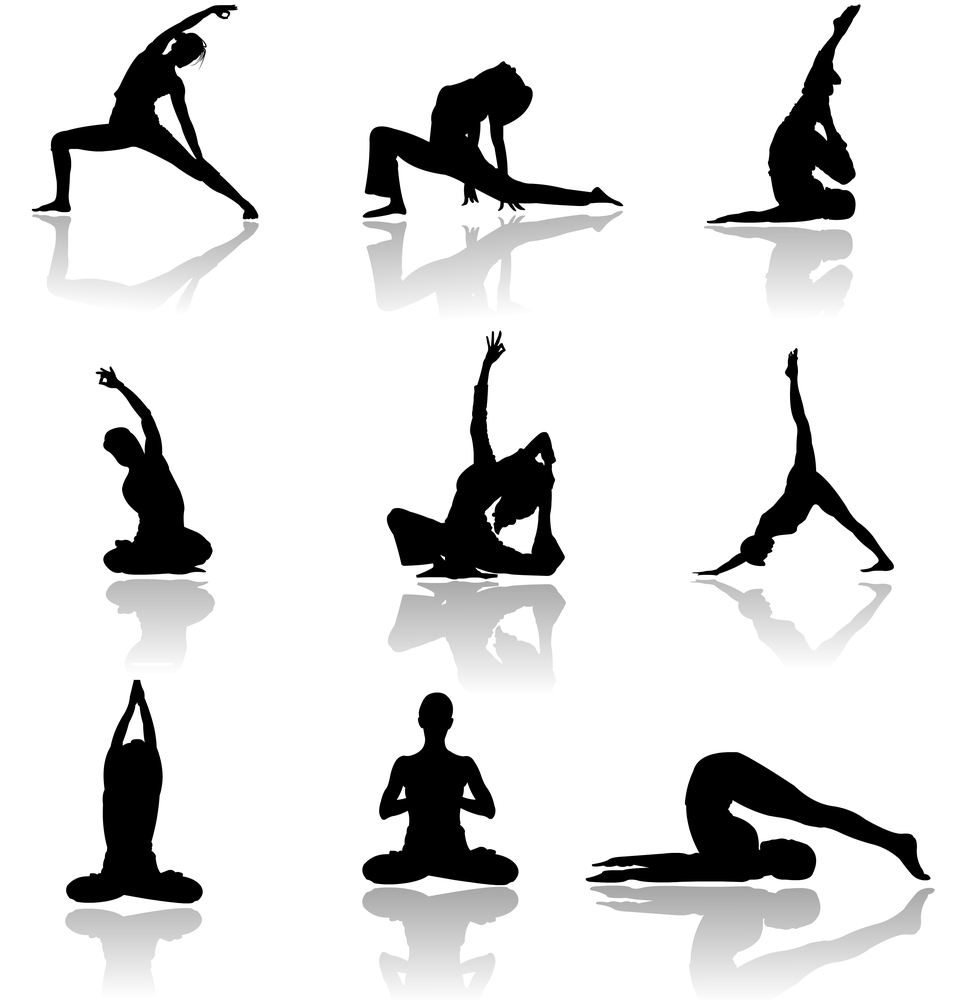
The opportunities are endless. Walking or gentle jogging is often a good first step. To get started, its important to buy all the kit so spoil your self and buy a nice track suit and trainers. Start by a walk or jog around your local park or just around the block. Timing yourself adds a bit of a challenge - try to knock off a few seconds each week. Don't worry if you think you look silly. People have a lot more respect for people making an effort than couch potatoes even if they don't show it! Joining a gym if there is a good one nearby can make exercise easier and more interesting. Again don't be put off by the thin girls in skimpy leotards or the big muscle men - You will still have everyone respect for making the effort. If you can join an exercise class even better. A good gym will cater for different standards. Ballroom dancing is coming back in fashion - an excellent exercise and sociable. Most towns have classes running regularly. Other types of dancing such as Salsa and Jive can also be good fun. Cycling is a great way to get your heart and lungs active. Good new or even second hand bikes are now quite cheap. You also have the satisfaction knowing that you helping the environment by not polluting atmosphere every time we drive our cars. The choice of exercise also depends on what is available in your area. A visit to your council run sports centre is always a good start. Swimming, basketball, badminton, bowling, tennis, exercise classes, walking clubs are often closer than you think. The most important thing is to exercise regularly over 20 minutes a day and perhaps more once or twice a week preferably in an environment which if friendly and fun. There are other several good reasons why exercise is often helpful after a diagnosis of breast cancer especially if taking an aromatase inhibitor:- Mild feelings of sickness (nausea), are not uncommon but may be relieved by taking your tablet with foods or milk or at night. Mild nausea usually wears off after a few weeks but a walk or jog in the fresh air does wonders for this. Lethargy - Some women feel tired on this drug. The severity can vary but if it affects your quality of life the doctor should be informed, although lethargy does tend to wear off over time. Light and stimulating exercise can help to reduce this. This has to carefully balanced. Although plenty of rest is important, between these times it is better to be active. For example a sleep after lunch may be required but then it would be useful to put on a pair of training shoes and go for walk in the open - preferably in pleasant stimulating surroundings such as a park or riverbank. Although this seems a great effort at first, patients often find their overall levels of fatigue are reduced by light exercise. These therapies slightly increase the risk of thrombosis (although not as bad as tamoxifen) - particularly if there is any disease in the pelvis or lower abdomen. Regular exercise encourage the blood to be pumped through the veins and reduce the risk of it stagnating and clotting in the veins. Patients may put on weight after taking aromatase inhibitor tablets. Clearly regular light exercise will reduce the risk of weight gain. Depression and lower mood - a rare side effect - Exercise increases the bodies endomorphines which elevate mood. Diet to improve bone health Dietary Calcium and Vitamin D
Not only is calcium important to bones, it is also important for the function of various organs within the body and a certain amount of calcium circulates within the blood. If blood calcium levels fall as may occur with inadequate calcium intake in the diet, the body will compensate for this by drawing calcium out of bones and putting it into the blood. Calcium is also excreted by the body daily. Hence it is important to have an adequate daily calcium intake through the diet so that bone mineral strength is not compromised.
Daily calcium requirements need not come necessarily from dairy products. If you choose alternative calcium sources, note carefully the quantity of calcium found within the particular food source.
The body’s main source of vitamin D arises from the manufacture of this vitamin in the skin on exposure to sunlight. Research has found many people are deficient in vitamin D due to more time being spent indoors. Only 10 – 15 minutes of exposure to outdoor sun is necessary for the production of vitamin D. However, it is important to avoid excessive exposure from sunlight, particularly in Summer due to the risk of skin damage and skin cancers. Dietary sources of vitamin D are limited. These sources of vitamin D from the diet arise often from foods fortified (boosted) with vitamin D such as milk, soy drinks, margarine and cereals. It is also found naturally in liver, fish (tuna, salmon, sardines, herring and mackerel) and egg yolk. Certain individuals with limited exposure to sunlight are at risk of vitamin D deficiency. The institutionalised, housebound elderly, veiled women and dark skin individuals may be at risk of vitamin D deficiency. Also individuals with illnesses of the gastrointestinal system such as Coeliac disease may not absorb adequate amounts of vitamin D from the diet. In high-risk individuals such as the elderly or those found to have low levels of vitamin D, vitamin D supplements are appropriate. In addition, if calcium intake from dietary sources is inadequate, the use of calcium supplements may be necessary. Other dietary factors Overall it is important to have a well balanced diet. Highly processed foods may be deficient in trace elements which are also important for healthy bones. Fresh fruit, salads and vegetables are therefore also important. |
||||||||||||||||||||||||||||||||||||||||||||||||||||||||||||||||||||||||||||||||||||



 Exercise should be fun, sociable and enjoyable so the most important factor
is to do something you like. Exercising with other people is often better. If a
friend or relative asks "How can I help?" then the answer is simple -
exercise with me.
Exercise should be fun, sociable and enjoyable so the most important factor
is to do something you like. Exercising with other people is often better. If a
friend or relative asks "How can I help?" then the answer is simple -
exercise with me.  Calcium is one of the essential nutrients necessary for healthy bone
development. Adequate calcium intake is necessary for the attainment of peak
bone mass in the late teens (i.e the highest level of bone strength which occurs
at completion of growth) and therefore strong healthy bones, which will sustain
the effects of ageing on the skeleton. It is important to have a well balanced
diet with adequate amounts of dairy products, which are the primary source of
foods rich in calcium.
Calcium is one of the essential nutrients necessary for healthy bone
development. Adequate calcium intake is necessary for the attainment of peak
bone mass in the late teens (i.e the highest level of bone strength which occurs
at completion of growth) and therefore strong healthy bones, which will sustain
the effects of ageing on the skeleton. It is important to have a well balanced
diet with adequate amounts of dairy products, which are the primary source of
foods rich in calcium.