





|
||||||||||||||
|
Essential micro nutrient testing – pros and cons |
||||||||||||||
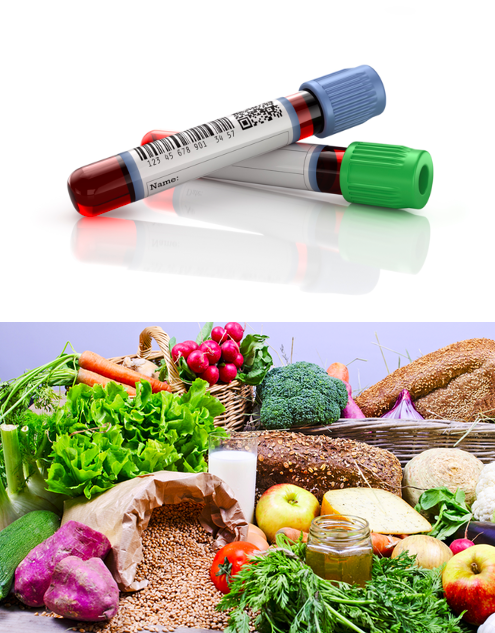
Many cancer survivors are turning to nutritional testing in order to empower themselves with the knowledge to make optimal lifestyle choices based on their individual profile. Although popular for sports professionals, what are the advantage for individuals concerned about cancer over a well balanced diet and is this money well spent? Although not all the same, these tests are fundamentally measure of the body’s essential micro nutrients, usually taken from a blood test but can be from urine, sweat, hair, saliva or even toe nail clippings! A vast array of nutrients can be analysed but the most important and relevant have been collated in the recently developed Cancer Risk Nutritional Profile. This includes 50 of the body’s chemicals which, either in excess or deficiency, have been involved in the cancer promotion pathways. They include the following categories: · Fat soluble vitamins · Water soluble vitamins · Essential minerals · Essential fatty acids · Omega 3 (long and short chain), 6 and 9 levels · The ratio of omega 3:6 · Antioxidant levels · Antioxidant enzymes. Vitamins, essential mineral and fatty acids cannot be made by the body so have to be eaten except Vitamin D which is largely generated by sunlight on the skin. They are crucial components of enzymes, and chemicals required for metabolism and efficient day to day function of the body. Although, in Western society, gross deficiency diseases such as scurvy, beri beri and pellagra are rare, minor deficiencies may develop that can cause imbalances in the regulatory and immunogenic processes. Copper, zinc, selenium and manganese are all required to make the three main antioxidant enzymes catalase, glutathione S-transferase glutathione; superoxide dismutase. Deficiencies in these have been shown to reduce the ability to mop up free radicals generated by environmental and dietary carcinogens. A study from China, for example, gave selenium to the inhabitants of one of two villages both known to have low selenium in the food chain. At 2 years, the risk of liver cancer had substantially reduced in the village which received selenium supplementation. Vitamin A added to cancer cells slows growth rates and increased apoptosis. A study from California showed that cells deficient in the B vitamins (B12, folate, niacin) sustained DNA damage similar to that seen after carcinogenic exposure. Vitamin C is involved in the mechanism which enables DNA to ‘sense’ the damage done by free radicals, by integrating with the iron imbedded in DNA. This process facilitates DNA repair and is therefore a significant aspect of immune surveillance. Vitamin D has been shown to reduce proliferation, promote differentiation, inhibit invasion, angiogenesis, prevent loss of adhesion, promote apoptosis. Clinical studies have shown that those survivors of bowel and breast cancer with regular exposure to sunlight had a lower incidence of subsequent relapse. Vitamin E has direct antioxidant effects and prevents cancer cells de-differentiating into more aggressive forms. A study from Finland showed that people with higher serum vitamin E levels had a low risk of bowel cancer. Omega 3, 6 and 9 are not made by the body so also have to be eaten. They are essential for the formation of hormones, particularly those involved in inflammation and immunity (e.g. prostaglandins, leukotrienes, thromboxanes). They have COX-2 inhibition properties which in turn has direct anticancer properties. In USA Health professionals Study men who had the highest intake of omega 3 had they lowest incidence of aggressive prostate cancer. The long chain omega-3’s, Eicosapentaenoic acid (EPA) and Docosahexaenoic acid (DHA), are particularly healthy and these can be made in the body from the short chain omega-3, Alpha-linolenic acis (LLA). Omega-6 however block this process so the ratio of omega 3:6 is important. Ideally it should be 1:2 or 1:3 but in most western societies the ratio are generally much higher as omega-3 have been removed from our food chain via intensive meat farming and fast foods. Laboratory experiments have also demonstrated that oleic acid helps repair DNA damage caused by excessive sunlight. Olive oil has been shown to suppress over-expressed Her-2 protein on breast cancer cells. At
first sight it would seem obvious to boost the body’s nutrients with one of
the many commercially available supplements – job done and no need to worry!
Alas, the human body is not that easy, there is also plenty of good evidence to
show that micronutrient excess can also cause harm, not only in terms of cancer
but other serious diseases and long term supplement intake can risk excessive
levels. Some more notable examples are summarised here: The large international SELECT study of selenium and zinc supplementation did not show any benefit in prostate cancer risk and there was a trend towards more aggressive cancers in the selenium group. In the health professional study men who took zinc supplementation over long periods of time actually had a higher risk of prostate cancer. A study of vitamin A supplements involving 30,000 male smokers, found that there was a reduction in the incidence of prostate cancer, but the incidence of lung cancer was actually higher. A substantial European study gave vitamin E in the form of alpha-tocopherol and Vitamin A supplements in the form of beta carotene to individuals who were either heavy smokers, or who had previously had cancer of the throat. The trial showed an elevated risk of both lung and prostate cancer and a higher rate of cerebral haemorrhage if they also had high blood pressure. A study from Norway gave vitamin B supplements or placebo to patients with angina or following a heart attack in an attempt to reduced the incidence of another cardiac event. After three years there was no cardiac benefit but a significant increase in cancer. These results were confirmed in a separate post heart-attack study also published in 2009. Men who took folic acid supplements were more than twice as likely to develop prostate cancer compared with men who took a placebo. This study made another interesting observation: it also found that, independent to whether they took a supplement or not, the prostate cancer incidence was slightly lower in men who had adequate amounts of folate in their diet. A study from Queensland Australia analysed over a thousand individuals who had been treated for skin cancer. The risk of a further cancer was reduced if individuals ate foods with a high level of dietary antioxidants compared to those who did not, but individuals who took supplements of vitamin E actually had a higher rate of recurrent skin cancers. A further study which supplemented women with alpha-tocopherol, demonstrated no reduction in cancer, but the incidence of heart disease was slightly worse. Another large human dietary prevention study combined beta-carotene and retinal analogues of vitamin A. People at the start of this study had their serum vitamin A levels measured but all took the same interventional supplement dose. Those participants who started the trial with naturally low blood levels of beta-carotene had lower levels of prostate cancer after years of supplementation. Those people who had adequate blood levels at the start of the study ended up with a higher risk of cancer, particularly prostate. This trial provides a clear take home message, that correcting a natural or acquired deficit is beneficial, but too much is harmful. What do these data suggest?
What
are “Cons” of nutritional testing?
The tests are not cheap, they are not usually available on the NHS and most private policies do not cover them. Nevertheless, as the advice provided in the reports aims to restore nutritional harmony with diet and not additional supplements then, in the long term, there is likely to be savings. Secondly, they are snap shot in time, generally reflecting the previous few weeks dietary pattern or even shorter for vitamin C. Provided there has not been a major change in lifestyle over this time, however, they are likely to represent a more global picture but it is advisable to have the test done at a time which reflects the usually day to day pattern as much as possible (e.g. not immediately after a holiday or major illness). Conclusions Published data strong suggest that micronutrient imbalance is a risk for cancer. It also suggests that restoring nutritional harmony reduces the risk, although randomised controlled trials are clearly needed. Whether this applies after cancer, to reduce the risk of relapse and improve well-being, remains unproven but the assumption is that factors which cause cancer in the first place are usually detrimental afterwards. As an alternative to blind, often costly supplement intake, the Cancer Risk Nutritional profile has the advantage of empowering individuals with specific advice relevant to their own make up.
References: www.cancernet.co.uk/lifestyle-published-evidence.htm |
||||||||||||||