 Most
of the reliable evidence for the effect of lifestyle on cancer progression comes
from patients with indolent or relapsing prostate cancer. The slow growth rate
in many patients and availability of a simple blood test (PSA) allows time for
alternative interventions, making them acceptable to both clinician and
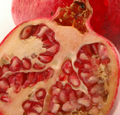
motivated patients alike. The most well know study evaluated the benefits of pomegranate
juice but the other published trials are summarised in this page .
Most
of the reliable evidence for the effect of lifestyle on cancer progression comes
from patients with indolent or relapsing prostate cancer. The slow growth rate
in many patients and availability of a simple blood test (PSA) allows time for
alternative interventions, making them acceptable to both clinician and
motivated patients alike. The most well know study evaluated the benefits of pomegranate
juice but the other published trials are summarised in this page .
The
pomegranate juice study In this North American study, sponsored
by the Pomegranate Growers Association, 48 men with prostate cancer were
evaluated. Pomegranate juice has a particularly high concentration of
antioxidants. All the patients had previously received radiotherapy or surgery
but started showing evidence of their cancer returning in the form of a rising
PSA blood test (generally referred to as PSA relapse). The rate of rise of the
PSA for each patient was plotted on a graph and provided it rose in a
consistent, steady fashion (i.e. not just a temporary increase), they were
entered into the study. All men were given 200ml of pomegranate juice to drink
everyday. The PSA blood test was then measured for several months and again
plotted on the same graph. The rate of rise of the PSA (the doubling time –
PSAdt) was compared before and after consumption of the juice.
There was a very significant prolongation of PSAdt, from a mean average
of 15 months at baseline, to 54 months post pomegranate juice consumption. In
other words this dietary intervention had slowed the growth rate of the tumour
almost to a factor of four, which for men in their seventies may mean they would
significantly delay or never need more aggressive hormonal intervention. For
example, a man aged 74 years with a PSA of 3.5 and a PSAdt of 54 months would be
87 years old before his PSA exceeded 20.
This study also had a further interesting angle. It looked at a factor
known as the baseline oxidative state, which is thought to reflect the body’s
ability to fight off the free radicals that cause cancer or encourage slow
growing existing cancers to mutate into more aggressive counterparts. These free
radicals are generated by eating unhealthy foods, excessive exposure to
sunlight, smoking or radiation. Anti-oxidants mop up these free radicals before
they have time to exert their damage. The optimal amount of anti-oxidants needed
in the diet depends on the level of exposure to carcinogens as well as the
individual’s own genetic makeup (i.e. vulnerability to attack). This balance
of anti-oxidants and oxidative exposure can be measured in the blood with a
variety of tools. The baseline oxidative state (BOS) was measured as a secondary
end point in this study. Patients blood BOS significantly improved following
pomegranate consumption when measured at the start, then at three separate
points over the next year.
The
lifestyle and vegan diet study. This
involved a randomised study of 93 volunteers with early prostate cancer from the
USA
, who for various reasons had opted not to undergo conventional therapies. They
were randomly assigned to intensive nutritional counselling and lifestyle
changes, or simple active surveillance. In the 47 patients randomly assigned to
lifestyle, they changed to a vegan diet supplemented with soy, vitamin E, fish
oils, selenium and vitamin C. The physiotherapist guided them into a moderate
exercise program requiring at least thirty minutes of walking six days a week.
They also embarked on a number of stress management techniques such as yoga and
massage. The PSA decreased at twelve months in the intervention group by 4%, but
increased in the control group by 6%. When this difference was analysed
independently by scientific statisticians, it was shown to be highly
significant. In other words it was a difference, which was very unlikely to have
occurred by chance (greater than 1:50 odds) – put another way; everyone
believed it.
The trial had another intriguing twist. A blood sample was taken from all
patients at three monthly intervals. After removing the blood cells, the serum
was added to sheets of living prostate cancer cells grown in culture dishes in a
laboratory. Serum from the intervention group caused 70% of the laboratory
prostate cells to stop growing, whereas serum from the control (non intervention
group) only inhibited growth in 6% of cells. This eight-fold difference (70% v
6%) was highly significant and again statistically robust (fewer than 1:100 odds
that it happened by chance). Furthermore, changes in PSA and cell line growth
inhibition strongly correlated with the degree of lifestyle changes.
This study also looked at a factor known as the baseline oxidative
state, which is thought to reflect the body’s ability to fight off the free
radicals that cause cancer or encourage slow growing existing cancers to mutate
into more aggressive counterparts. These free radicals are generated by eating
unhealthy foods, excessive exposure to sunlight, smoking or radiation.
Anti-oxidants mop up these free radicals before they have time to exert their
damage. The optimal amount of anti-oxidants needed in the diet depends on the
level of exposure to carcinogens as well as the individual’s own genetic
makeup (i.e. vulnerability to attack). This balance of anti-oxidants and
oxidative exposure can be measured in the blood with a variety of tools. The
baseline oxidative state (BOS) was measured as a secondary end point in this
study. Patients blood BOS significantly improved following pomegranate
consumption when measured at the start, then at three separate points over the
next year.
The
broccoli study
Biologist at
Britain
's
Institute
of
Food Research
published a study which showed that the healthy chemicals found in broccoli can
prevent precancerous cells in the prostate progressing to more aggressive
cancers. They found that just a few more portions of broccoli each week sparks
hundreds of genetic changes, activating some genes that fight cancer and
switching off others that fuel them. They split into two groups of 24 men with
pre-cancerous lesions and had them eat four extra servings of either broccoli or
peas each week for a year.
The researchers then took tissue samples over the course of the study and
found that men who ate broccoli showed hundreds of changes in genes known to
play a role in fighting cancer. They believe the benefit would likely be the
same in other cruciferous vegetables that contain a compound called
isothiocyanate, including brussel sprouts, cauliflower, cabbage, rocket or
arugula, watercress and horse radish. Broccoli, however, has a particularly
powerful type of the compound called sulforaphane, which the researchers think
gives the green vegetable an extra cancer-fighting kick. The broccoli eaters
showed about 400 to 500 of the positive genetic changes with men carrying a gene
called GSTM1 enjoying the most benefit. About half the population have this
gene. The researchers did not
track the men long enough to see who got cancer but it is a very logical
conclusion that just a few more
vegetable portions each week can make a big difference. Furthermore it is also
likely that these vegetables work the same way in other parts of the body and
probably protect people against a whole range of cancers.
The
salicylate studies. In the
UK
, a prospective study was published in 2005, which evaluated dietary
intervention, supplemented by oral sodium salicylate (an aspirin-like drug) and
other anti-oxidants. A small cohort (group) of men with progressive early or
relapsing prostate cancer had stabilisation of PSA, with a mean average
stabilisation of 17.2 months. It was not clear which of the three components of
the supplement were instrumental in this tumour stabilisation, or whether the
combination was essential. Also, it was uncertain as to how much additional
benefit was derived from the administered sodium salicylate or the natural
salicylates found in the higher intake of fruit and vegetables. As a
consequence, whether diet alone, salicylates alone or a combination of both is
the optimal approach remained unanswered. For this reason our research group
designed and conducted a double-blind, randomised, multi-centre controlled trial
under the registration of the National Cancer Research Network (NCRN). It
compared salicylates and lifestyle counselling versus Salicylates, lifestyle and
mineral and vitamin c supplements in patients with progressive indolent or
relapsing prostate cancer. The results confirmed the suspicions from other
studies that giving a “one fits all” supplement to patients has very little
benefit in terms of their cancer. The
result were fascinating, despite the fact that all patients were progressing a
trial entry, 40% then stabilised for an average of 18 months. This trial was
presented in the 2008 UK national research conference and gives reassurance that
a change in lifestyle can slow the rate of prostate cancer progression although
the exact role of salicylates needs confirming in further studies. Further
analysis suggests that if patients were selected carefully the stabilisation
rate is likely to be even higher.
The
lycopene studies Following
information gleamed from a large study of
U.S.
health professionals which showed that men with diets rich in lycopene (the red
colour found in foods such as tomatoes), had a lower risk of prostate cancer,
lycopene use was then investigated in men with established prostate cancer. Two
small non-randomised studies showed that men with a high intake of natural
lycopene intake in food, particularly tomato sauce, demonstrated a slowing of
the rate of rise of the cancer marker, PSA.
 Further
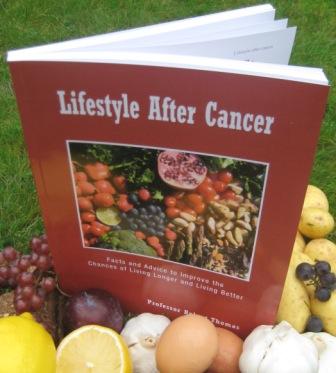
information The book Lifestyle
After Cancer summarises the lifestyle evidence from around the world
and provides practical advice for all stages in the cancer journey. A detailed
film available in English, Italian, Urdu,
Bengali, Gujarati & Hindi explains Radiotherapy & Chemotherapy. Cancernet.co.uk
is a comprehensive cancer information resource written by an experienced team of
doctors, health professionals and patients. It contains links and information
on: Specific cancers:
Breast |
Prostate |
Bowel. Cancer
treatments: Chemotherapy |
Radiotherapy |
Hormones | Biological
agents | Complementary
therapies . Lifestyle and cancer:
Exercise | Diet |
Smoking | Sunbathing
| Alcohol. Tips to help
with symptoms and side effects. Financial issues: Traveling
| Travel insurance| Links
to support groups | Books | Tests
for cancer | Clinical trials | What
is cancer | How to avoid cancer | Glossary
| About us | Disclaimer.
Further
information The book Lifestyle
After Cancer summarises the lifestyle evidence from around the world
and provides practical advice for all stages in the cancer journey. A detailed
film available in English, Italian, Urdu,
Bengali, Gujarati & Hindi explains Radiotherapy & Chemotherapy. Cancernet.co.uk
is a comprehensive cancer information resource written by an experienced team of
doctors, health professionals and patients. It contains links and information
on: Specific cancers:
Breast |
Prostate |
Bowel. Cancer
treatments: Chemotherapy |
Radiotherapy |
Hormones | Biological
agents | Complementary
therapies . Lifestyle and cancer:
Exercise | Diet |
Smoking | Sunbathing
| Alcohol. Tips to help
with symptoms and side effects. Financial issues: Traveling
| Travel insurance| Links
to support groups | Books | Tests
for cancer | Clinical trials | What
is cancer | How to avoid cancer | Glossary
| About us | Disclaimer.