 Diet and cancer are linked in many ways. It is one of the major lifestyle
factors which has an impact on our health, the risk of cancer development,
how we cope during therapies and recover afterwards. Research evidence is now
showing that a healthy diet after cancer can also reduce the risks of relapse
improve overall well-being and cure. This section separates the individual
components of food and offers practical advise under the headings what to
eat more of, what to eat do less of. Diet and cancer are linked in many ways. It is one of the major lifestyle
factors which has an impact on our health, the risk of cancer development,
how we cope during therapies and recover afterwards. Research evidence is now
showing that a healthy diet after cancer can also reduce the risks of relapse
improve overall well-being and cure. This section separates the individual
components of food and offers practical advise under the headings what to
eat more of, what to eat do less of.
 For practical
reasons, this section addresses people who do not have any, or few restrictions
on their diet, after their diagnosis of cancer. Likewise it doesn’t address any
pre-existing long standing dietary requirements. In general, therefore, it is
probably not appropriate for patients with advanced cancer or those who’s
tumours or treatments have affected their ability to eat or digest food. In
these situation, patients should seek formal advice from qualified dieticians
preferably those attached to a mainstream cancer unit. As well as addressing healthy and
unhealthy foods in general, various topics are available
addressing. For practical
reasons, this section addresses people who do not have any, or few restrictions
on their diet, after their diagnosis of cancer. Likewise it doesn’t address any
pre-existing long standing dietary requirements. In general, therefore, it is
probably not appropriate for patients with advanced cancer or those who’s
tumours or treatments have affected their ability to eat or digest food. In
these situation, patients should seek formal advice from qualified dieticians
preferably those attached to a mainstream cancer unit. As well as addressing healthy and
unhealthy foods in general, various topics are available
addressing.
Dietary advice for specific conditions or diseases:
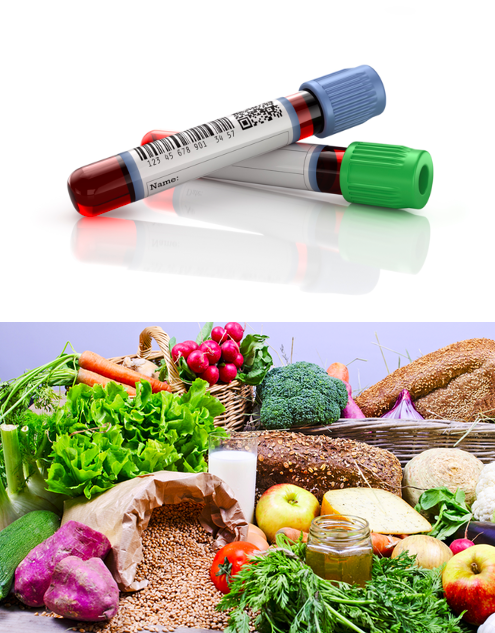
 How to eat a healthy
anti-cancer diet: This section gives a guide
to how to achieve a healthier anti cancer diet to help reduce the risks of
cancer developing in the first place but also to likewise prevent it relapsing after initial successful
therapies. There is also some evidence that for some slowing prostate
cancers, a healthy diet combined with other lifestyle factors can slow its
rate of progression. In reality, real food cannot be split into conveniently selected
anti-cancer packages so each meal will contain a variety of healthy factors and unhealthy substances. Likewise, the foods considered to be
anti-cancer at one stage may benefit individuals at another stage of the cancer
journey. Foods in moderation may be very helpful but in excess harmful. For
ease of explanation, this section discusses the pros and cons of separate
components of food but reading the evidence and guidance for each section below
reveals the depth of information which will help you make truly informed: How to eat a healthy
anti-cancer diet: This section gives a guide
to how to achieve a healthier anti cancer diet to help reduce the risks of
cancer developing in the first place but also to likewise prevent it relapsing after initial successful
therapies. There is also some evidence that for some slowing prostate
cancers, a healthy diet combined with other lifestyle factors can slow its
rate of progression. In reality, real food cannot be split into conveniently selected
anti-cancer packages so each meal will contain a variety of healthy factors and unhealthy substances. Likewise, the foods considered to be
anti-cancer at one stage may benefit individuals at another stage of the cancer
journey. Foods in moderation may be very helpful but in excess harmful. For
ease of explanation, this section discusses the pros and cons of separate
components of food but reading the evidence and guidance for each section below
reveals the depth of information which will help you make truly informed:
 Other
dietary issues. Overall this site tries to avoid recommending specific foods,
meals or dietary programs; instead it aims to embody the concepts of overall healthy
eating. Most individuals do not need spoon feeding and are perfectly capable of
adjusting to a healthy diet within their preferences, tastes, needs or cultural
parameters. This is particularly important if a lasting view of dietary change
is planned. Changing to a “faddy” diet, eating foods which are not palatable to
that individual or are not freely available in their country will lead to
cravings, distress and are unlikely to succeed in the long haul. Other
dietary issues not included above include: Other
dietary issues. Overall this site tries to avoid recommending specific foods,
meals or dietary programs; instead it aims to embody the concepts of overall healthy
eating. Most individuals do not need spoon feeding and are perfectly capable of
adjusting to a healthy diet within their preferences, tastes, needs or cultural
parameters. This is particularly important if a lasting view of dietary change
is planned. Changing to a “faddy” diet, eating foods which are not palatable to
that individual or are not freely available in their country will lead to
cravings, distress and are unlikely to succeed in the long haul. Other
dietary issues not included above include:
|